
Compliance & Safety
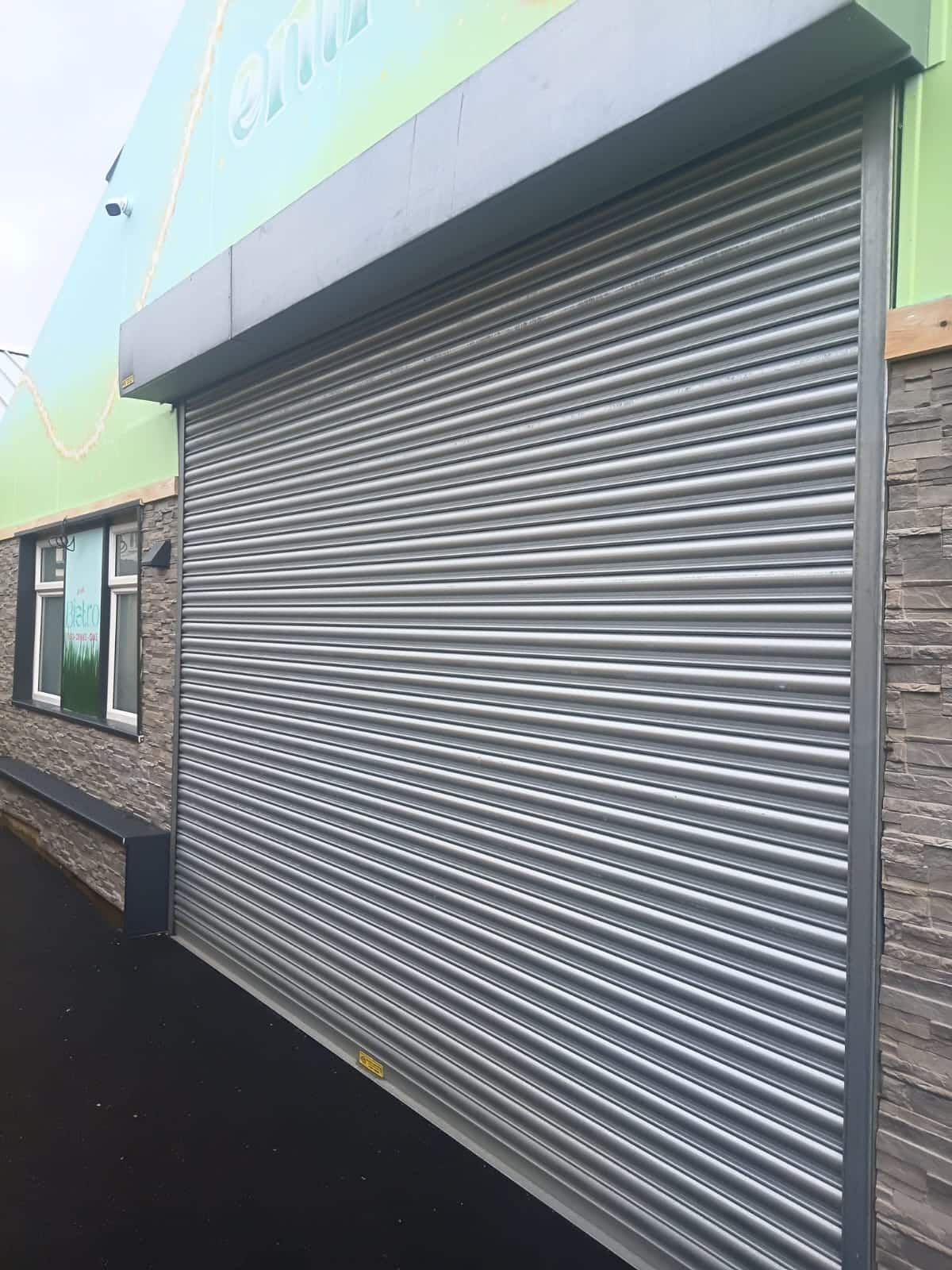
Roller Shutter Compliance in the UK: A Complete Guide for Commercial & Industrial Properties
Roller shutters are an essential part of security and access control for commercial and industrial premises across the UK. However, they are not just a “fit and forget” solution roller shutters are legally classified as machinery and must comply with strict UK health and safety regulations.
Failure to meet these requirements can lead to serious consequences, including accidents, legal liability, invalid insurance, and even prosecution. For business owners, landlords, and facilities managers, understanding roller shutter compliance is not optional it’s a legal responsibility.
Why Roller Shutter Compliance Matters
In commercial and industrial environments, roller shutters are used daily and often operate in high-traffic areas. This creates potential risks if they are not properly installed, maintained, and inspected.
UK legislation places a duty of care on those responsible for premises to ensure equipment is safe for employees, visitors, and the general public.
Compliance helps to:
- Prevent workplace injuries
- Reduce downtime and costly breakdowns
- Ensure insurance validity
- Protect business owners from legal action
Key UK Laws & Regulations You Must Follow
Health and Safety at Work etc. Act 1974
This is the foundation of workplace safety law in the UK. It requires employers to ensure, as far as reasonably practicable, the health and safety of employees and anyone affected by their business.
This includes ensuring roller shutters are:
- Safe to operate
- Properly maintained
- Regularly inspected
Failure to comply can result in enforcement action or prosecution.
Workplace (Health, Safety and Welfare) Regulations 1992
Under Regulation 5, all workplace equipment—including roller shutters—must be maintained in an efficient state and in good repair.
This means:
- Regular servicing is essential
- Faults must be addressed quickly
- Systems must not pose a safety risk
A lack of maintenance is considered a breach of legal duty.
Provision and Use of Work Equipment Regulations 1998 (PUWER)
PUWER applies directly to powered roller shutters used in workplaces.
It requires that:
- Equipment is suitable for its intended use
- Safety devices are in place and working
- Systems are regularly inspected and maintained
- Records of maintenance are kept
Roller shutters fall under “work equipment,” meaning businesses must ensure they are always in safe working condition.
Supply of Machinery (Safety) Regulations 2008
All new roller shutters installed in the UK must comply with machinery safety regulations.
This includes:
- Safe design and construction
- Proper installation
- Compliance with relevant standards
Non-compliant shutters should not be installed or used.
British & European Standards (BS EN Regulations)
Roller shutters must meet specific performance and safety standards, including:
- BS EN 13241 – Safety and performance requirements
- BS EN 16034 – Fire resistance and smoke control
These standards ensure shutters are built and installed to minimise risk and operate safely.
CE Marking / UKCA Marking
Roller shutters must carry a CE mark (or UKCA mark post-Brexit), confirming they meet essential safety and performance requirements.
Without proper certification:
- The product cannot legally be installed
- The system may not meet insurance requirements
Who Is Responsible for Compliance?
Responsibility typically falls on:
- Business owners
- Employers
- Landlords
- Facilities managers
- Property management companies
These parties are legally required to ensure roller shutters are safe and compliant at all times.
Even if maintenance is outsourced, the legal responsibility still sits with the duty holder.
Servicing & Maintenance Requirements
One of the most important aspects of compliance is regular servicing.
UK regulations require that roller shutters are subject to a planned maintenance schedule.
Typical servicing guidelines:
- Low usage: Every 6–12 months
- High usage (industrial): Every 3–6 months
A professional service should include:
- Inspection of all mechanical components
- Testing of safety devices
- Adjustment of alignment and operation
- Identification of wear and potential faults
It is also essential to keep written maintenance records, as these may be required in the event of an accident or inspection.
Essential Safety Features for Compliance
Modern roller shutters must include key safety features to meet regulations:
- Safety edges (to detect obstructions)
- Photoelectric sensors
- Emergency stop functions
- Manual override systems
- Anti-fall back devices
These features are designed to prevent injury and ensure safe operation in all conditions.
Fire Safety & Specialist Compliance
In certain commercial and industrial settings, fire-rated roller shutters may be required.
These are designed to:
- Contain fire and smoke
- Protect escape routes
- Support building fire strategy
Compliance with fire safety regulations is particularly important in:
- Warehouses
- Factories
- Commercial kitchens
- Multi-occupancy buildings
Fire shutters must meet specific standards such as BS EN 16034.
What Happens If You Don’t Comply?
Ignoring roller shutter legislation can lead to:
- Fines and legal action
- Invalid insurance claims
- Workplace accidents
- Business disruption
- Potential prosecution
In serious cases, failure to maintain safe equipment can result in criminal liability under UK health and safety law.
How to Stay Compliant
To ensure full compliance, businesses should:
- Schedule regular professional servicing
- Keep detailed maintenance records
- Ensure shutters meet current standards
- Upgrade outdated or unsafe systems
- Work with experienced, qualified engineers
Choosing a trusted provider ensures your shutters remain safe, compliant, and fully operational.
Roller shutter compliance in the UK is a critical responsibility for any commercial or industrial property owner. With strict legislation in place, regular maintenance, proper installation, and adherence to safety standards are essential.
By staying compliant, businesses not only meet their legal obligations but also protect their staff, customers, and premises.

