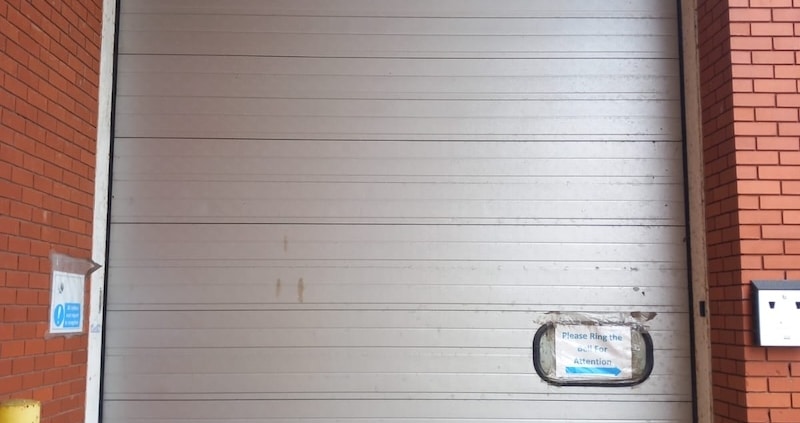
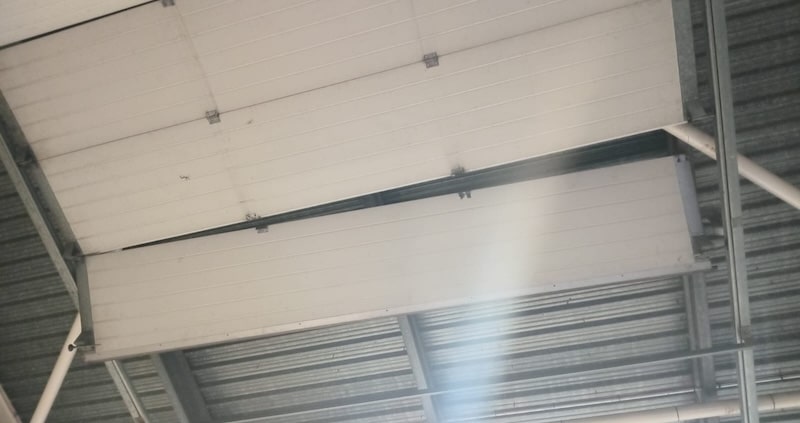
Choosing an industrial door starts with understanding the opening, the building and the people who use it. A warehouse handling deliveries throughout the day has different requirements from a workshop that opens its shutter once each morning.
An industrial door site survey should turn those requirements into a clear specification. Whether you are replacing a roller shutter or fitting a door to a new unit, here is what you should expect to discuss.
1. Opening Dimensions and Available Space
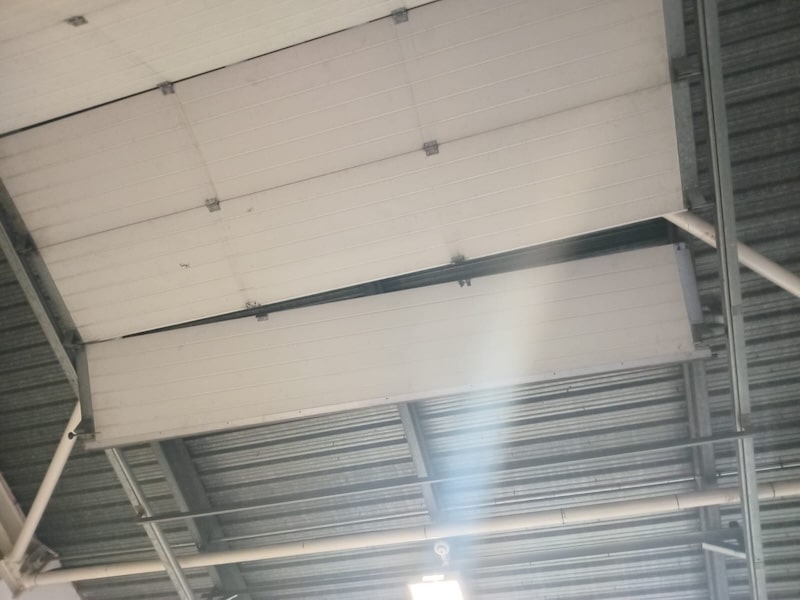
The survey should establish the width and height of the opening, together with the clear passage you need once the door is installed. These measurements are not necessarily identical: guides, tracks and other components need space too.
The surveyor should also check headroom above the opening, room at each side and any internal obstructions. Lighting, pipework, roof structure and storage racking can all affect the proposed layout.
This is particularly relevant when comparing roller shutters with sectional overhead doors, which use different opening arrangements.
Useful question: “What usable width and height will we have when the door is fully open?”
2. The Surrounding Structure and Fixing Points
The survey should consider what the door will be fixed to and whether the proposed supports need further investigation.
For a replacement installation, discuss the condition of the existing frame and whether any components are intended to remain. Reusing an old frame should be an assessed decision.
If structural alterations or additional supports may be needed, ask who will confirm the design and carry out the work. A door survey should identify when specialist input is required; it does not automatically replace a structural assessment.
3. Vehicle Traffic and Pedestrian Access
Explain what passes through the opening: vans, delivery vehicles, forklifts, pallet trucks or staff on foot. Include the largest loads and any planned changes to equipment.
The survey should consider approach routes, turning space, visibility and where people walk. A door can provide enough clearance while still opening onto an awkward traffic route.
The HSE’s guidance on separating pedestrians and vehicles recommends separate routes and separate pedestrian and vehicle doors wherever possible. Discuss how the proposed installation fits into your site’s traffic arrangements.
Useful question: “Can staff reach their destination without using the vehicle opening?”
4. Operating Frequency and Busy Periods
An estimate of daily use helps establish the demands on the door. Explain how often it opens and closes, how long it stays open and whether movements are concentrated into short delivery periods.
For example, two premises could each have 40 opening cycles a day. One spreads them across a shift; the other handles most during a busy hour. Tell the surveyor about that pattern so the proposed system can be assessed against actual use.
Where frequent access is a priority, high-speed doors may be an option to discuss alongside security, environmental conditions and suitability for the opening.
5. Power Supply, Controls and Power-Loss Arrangements
For an electrically operated door, the survey should establish the proposed power requirements and identify what is already available. Ask who will verify the supply, provide any necessary electrical work and make the final connection.
Discuss how authorised users will operate the door, including the position of controls and any access-control integration. Explain whether drivers need to operate it from their vehicles.
Also ask what happens during a power failure and how any specified manual operation will work. The answer should relate to the particular door and its intended use.
6. Weather Exposure, Insulation and Security
Describe the conditions around the opening. Is it sheltered or exposed? Does rain reach the threshold? Is the building heated, or does the door separate areas with different temperatures?
Ask the surveyor to explain the proposed door’s suitability for the site’s wind exposure and intended operating conditions. Where temperature control matters, discuss seals, insulation and how long the opening normally remains uncovered.
Set out security requirements at this stage, including any written insurer requirements. These details help the installer compare suitable industrial door options against your priorities.
7. Safety and the Intended Method of Operation
A powered door needs safety measures suited to its surroundings and users. The survey should inform an assessment of foreseeable hazards, including contact with moving parts and trapping points.
Ask how the proposed controls and protective devices will work together, and how the completed installation will be checked before handover.
The HSE’s guidance on powered door and gate safety explains that safety depends on the complete system and its circumstances of use. A list of individual components is only part of the picture.
If the opening has a fire-protection or escape function, raise this early so it can be assessed against the building’s requirements.
8. Installation Access and Business Disruption
Discuss how the installation team will reach the opening and what needs to be moved before work starts. This may include stock, parked vehicles or equipment.
Agree how deliveries and staff access will be managed while the opening is unavailable. For a replacement door, ask about removing the existing installation, waste disposal and how the premises will be secured if work extends beyond the working day.
The quotation should make responsibilities clear, including any preparatory building or electrical work.
What Should You Prepare Before the Survey?
Have the following information available where possible:
- Photographs or drawings of the opening and surrounding area.
- Details of vehicles, loads and typical daily movements.
- Your busiest operating periods and preferred installation times.
- Existing door records, instructions and known faults.
- Security, temperature-control and access requirements.
- Details of planned changes to the building or its use.
It is helpful to involve someone who uses the door daily. They may know about queues, difficult controls or access problems that are less obvious during a quiet visit.
What Should You Receive Afterwards?
Ask for a written proposal identifying the door type, usable opening dimensions, operation, safety provisions and installation scope. It should also explain exclusions, preparatory work and any matters still awaiting confirmation.
Discuss commissioning, operating instructions, warranty terms and the recommended maintenance arrangements. If you are choosing a shutter, our roller shutter servicing information is a useful starting point for that conversation.
Arrange an Industrial Door Site Survey
UK Doors & Shutters provides industrial door installation, repair and servicing for businesses across the North West and surrounding regions.
Whether you are replacing an existing shutter or planning access for new premises, contact UK Doors & Shutters to discuss a site survey or call 0800 102 6136.